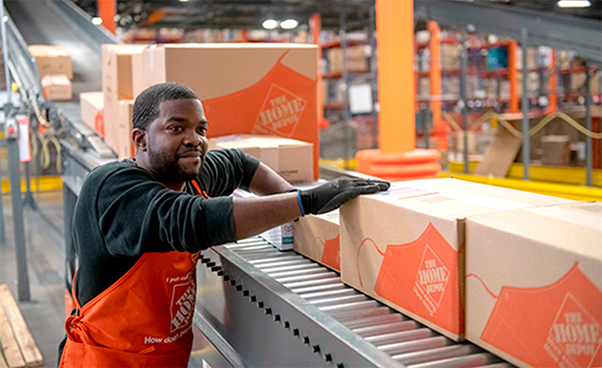
Individuals employed in storage and distribution facilities within the Memphis, Tennessee metropolitan area play a crucial role in logistics and supply chain operations. Their responsibilities typically encompass receiving, processing, organizing, and shipping goods. This involves tasks like operating machinery, managing inventory, and ensuring the efficient flow of products within the warehouse environment.
The logistics sector forms a significant part of Memphis’s economy, providing numerous employment opportunities and supporting various industries. The city’s strategic location, with access to major transportation networks including rail, road, and air, makes it a vital hub for distribution. These roles are essential for maintaining the smooth functioning of businesses across diverse sectors, from e-commerce to manufacturing. The evolution of automation and technology within warehousing has led to increasing demand for skilled individuals capable of operating advanced equipment and managing complex inventory systems.
This article will further explore the specifics of employment in Memphis area warehouses, covering topics such as current market trends, skill requirements, compensation and benefits, and potential career paths.
1. Logistics Hub
Memphis’s designation as a prominent logistics hub directly impacts the roles and responsibilities of warehouse workers within the city. The convergence of major interstates, the Mississippi River, and a significant air cargo presence creates a strategic advantage for the movement of goods. This concentration of transportation infrastructure necessitates a large workforce capable of managing the influx and outflow of products. Warehouse workers in Memphis, therefore, become integral components of this complex system, handling goods destined for national and international markets.
The impact of this logistics-centric environment is evident in the types of warehouse jobs available. Specialized roles, such as those involving cross-docking, intermodal transportation, and inventory management using advanced technologies, are more prevalent in Memphis compared to areas with less logistical significance. For example, a warehouse worker in Memphis might specialize in handling freight arriving by air for rapid redistribution by truck, a task less common in areas lacking a major air cargo hub. The sheer volume of goods moving through the city also contributes to a higher demand for workers proficient in operating specialized equipment like forklifts, automated guided vehicles, and warehouse management systems.
Understanding Memphis’s role as a logistics hub is crucial for comprehending the specific demands and opportunities present for warehouse workers. This knowledge provides context for the required skill sets, potential career paths, and the overall economic importance of this workforce. Challenges such as adapting to technological advancements and managing increasing volumes of goods are ongoing. However, the continued growth of the logistics sector in Memphis suggests sustained demand for skilled warehouse workers in the future.
2. Supply Chain Roles
The term “warehouse worker Memphis TN” encompasses a variety of roles within the broader supply chain. These roles contribute to the efficient flow of goods from origin to consumer. Understanding the interconnectedness of these roles provides a clearer picture of the complexities and importance of warehouse operations within the Memphis region. A warehouse worker might specialize in receiving inbound shipments, ensuring accurate inventory counts and proper storage. Others may focus on order fulfillment, picking and packing items for shipment to customers. Still others specialize in outbound logistics, loading trucks and preparing necessary documentation. These interconnected roles ensure the smooth and efficient operation of the supply chain.
The specific supply chain roles prevalent in Memphis are often shaped by the city’s strengths as a logistics center. The presence of major transportation infrastructure and a concentration of warehousing and distribution operations create a demand for specialized roles. For example, the high volume of goods moving through Memphis necessitates roles focused on efficient cross-docking and intermodal transfer operations. Additionally, the increasing adoption of automation and technology in warehouses creates demand for workers skilled in operating automated systems and managing complex inventory databases. These specialized roles reflect the evolution of supply chain management within a major logistics hub like Memphis.
A clear understanding of the various supply chain roles within the context of “warehouse worker Memphis TN” is crucial for both employers and job seekers. Employers benefit from a well-defined structure of roles and responsibilities, leading to increased efficiency and productivity. For job seekers, understanding the specific skills and qualifications required for different roles allows for more targeted career development and advancement opportunities. Ultimately, recognizing the diverse contributions of warehouse workers within the supply chain strengthens the overall logistics ecosystem in Memphis and contributes to its continued economic growth.
3. Skills and Training
The evolving landscape of warehousing and logistics in Memphis, TN, necessitates a workforce equipped with a diverse range of skills and training. The increasing complexity of operations, driven by automation, data management, and evolving safety regulations, makes continuous learning crucial for career advancement and maintaining a competitive edge. This section examines key skill sets and training requirements for warehouse workers in Memphis.
-
Safety and Compliance:
Adhering to safety protocols and regulations is paramount in warehouse environments. Training in OSHA standards, proper handling of materials, and operating equipment safely is essential. Examples include forklift certification, HAZMAT handling procedures, and emergency response training. These skills protect workers from injury and ensure a compliant work environment, reducing risks for both employees and employers.
-
Technical Proficiency:
Technological advancements are transforming warehouse operations, requiring workers to adapt and acquire new technical skills. Experience with Warehouse Management Systems (WMS), inventory control software, and automated equipment is increasingly valued. Examples include proficiency in using barcode scanners, operating automated guided vehicles (AGVs), and understanding data analytics related to inventory management. These technical skills enhance efficiency, accuracy, and productivity within the warehouse.
-
Physical Demands and Stamina:
Warehouse work often involves physically demanding tasks, requiring workers to possess strength, stamina, and the ability to lift and move heavy objects. Training programs may focus on proper lifting techniques, injury prevention, and maintaining physical fitness. Examples include proper lifting techniques to prevent back injuries and the ability to endure extended periods of standing or walking. These physical capabilities are essential for performing the core functions of a warehouse role.
-
Communication and Teamwork:
Effective communication and teamwork are crucial for coordinating warehouse operations, ensuring efficient workflow, and minimizing errors. Training may emphasize clear communication protocols, problem-solving skills, and collaborative teamwork strategies. Examples include relaying information clearly to colleagues, participating in team meetings to coordinate tasks, and contributing to a positive and productive work environment. Strong communication and teamwork contribute to overall efficiency and operational success within the warehouse.
These multifaceted skills and training requirements highlight the evolving demands placed upon warehouse workers in Memphis. Investing in these areas benefits both individuals seeking employment and employers seeking a skilled and adaptable workforce. As technology continues to advance and supply chain operations become more complex, continuous learning and development will be essential for success in the dynamic logistics landscape of Memphis, TN.
4. Employment Outlook
The employment outlook for warehouse workers in Memphis, TN, is influenced by a confluence of factors, including national economic trends, local industry growth, technological advancements, and evolving consumer behavior. Understanding these factors provides valuable insights for individuals considering a career in warehousing and for existing workers seeking to enhance their career prospects.
-
E-commerce Growth:
The continued expansion of e-commerce significantly impacts the demand for warehouse workers. As online retail sales increase, so does the need for warehousing space, inventory management, and order fulfillment personnel. The rise of same-day and next-day delivery expectations further intensifies this demand, creating more opportunities for warehouse workers in Memphis, a key logistics hub.
-
Automation and Technology:
While automation may displace some traditional warehouse roles, it also creates new opportunities for skilled workers who can operate and maintain advanced technologies. The increasing use of robotics, automated guided vehicles (AGVs), and sophisticated warehouse management systems (WMS) necessitates a workforce capable of adapting to these technological changes. This shift presents opportunities for individuals with technical skills and adaptability.
-
Supply Chain Disruptions and Resilience:
Recent supply chain disruptions have highlighted the critical role of efficient warehouse operations. Companies are increasingly prioritizing supply chain resilience, leading to investments in warehousing infrastructure and a greater focus on optimizing logistics processes. This emphasis on resilience can translate into increased job security and opportunities for warehouse workers in Memphis.
-
Competition and Wages:
The competitive landscape for warehouse workers in Memphis is influenced by factors such as the availability of skilled labor, the prevalence of logistics companies in the region, and overall economic conditions. These factors can impact wage levels and the availability of benefits. Understanding these dynamics is crucial for job seekers navigating the warehouse employment market in Memphis.
The employment outlook for warehouse workers in Memphis remains dynamic, shaped by a combination of growth drivers and evolving challenges. While e-commerce expansion fuels demand, technological advancements require adaptation and upskilling. By understanding these trends and acquiring relevant skills, individuals can position themselves for success in this evolving job market and contribute to the continued growth of the logistics sector in Memphis.
5. Competitive Landscape
The competitive landscape for warehouse workers in Memphis, Tennessee, is a dynamic environment shaped by several interconnected factors. Understanding this landscape is crucial for both job seekers and employers. For job seekers, it provides insights into the skills and qualifications needed to stand out in the market. For employers, it informs strategies for attracting and retaining talent. This section explores the key facets of this competitive environment.
-
Company Variety:
Memphis boasts a diverse range of companies employing warehouse workers. From large, multinational corporations with sophisticated distribution centers to smaller, locally owned businesses, the options are varied. This diversity creates a competitive landscape where job seekers can find opportunities aligning with their career goals and skill sets. For example, a candidate seeking experience with advanced automation might target large e-commerce fulfillment centers, while someone valuing a close-knit work environment might prefer a smaller, family-owned operation.
-
Skill Requirements:
The required skill set for warehouse positions is constantly evolving. While basic skills like lifting and packing remain important, increasing emphasis is placed on technical proficiency with warehouse management systems (WMS), automation technologies, and data analysis. This shift creates a competitive advantage for workers who proactively acquire these in-demand skills through training programs or on-the-job experience. Those proficient in operating specialized equipment or managing complex inventory systems are more likely to secure higher-paying roles.
-
Wage and Benefit Packages:
Compensation and benefits play a significant role in attracting and retaining warehouse workers. The competitive landscape influences wage levels, with factors like experience, skill set, and company size impacting earning potential. Benefits packages, including health insurance, retirement plans, and paid time off, also factor into the overall competitiveness of a job offer. Job seekers often compare these offerings when evaluating opportunities, making attractive compensation and benefits a key differentiator for employers.
-
Career Advancement Opportunities:
The potential for career advancement within the warehousing and logistics sector contributes to the competitive landscape. Opportunities for promotion to supervisory or managerial roles, or specialization in areas like inventory control or supply chain management, can be motivating factors for job seekers. Companies offering clear career paths and development programs are more likely to attract and retain ambitious individuals. For example, a warehouse worker might progress to a team lead position and then to a supervisory role within the warehouse or even transition into logistics coordination.
These interconnected factors shape the competitive landscape for warehouse workers in Memphis. By understanding these dynamics, individuals can make informed career decisions and develop strategies to enhance their competitiveness in the job market. Simultaneously, employers can leverage this understanding to create attractive employment opportunities and build a skilled and productive workforce. This continuous interplay between individual aspirations and market demands fuels the dynamic nature of the warehousing and logistics sector in Memphis.
Frequently Asked Questions
This section addresses common inquiries regarding warehouse employment within the Memphis, Tennessee area. The information provided aims to offer clarity and practical insights for individuals exploring career opportunities in this field.
Question 1: What is the typical salary range for warehouse workers in Memphis?
Compensation varies based on experience, skill set, and the specific employer. Entry-level positions generally offer competitive hourly rates, while specialized roles or those requiring advanced certifications often command higher pay. Consulting online salary resources and reviewing job postings provides a more accurate picture of current market rates.
Question 2: What are the common shift patterns in warehouse environments?
Shift work is prevalent in warehousing to maintain continuous operations. Common schedules include first, second, and third shifts, along with weekend and holiday work depending on the employer’s needs and the nature of the business. Flexibility regarding shift availability can be advantageous in securing employment.
Question 3: What are the physical demands associated with warehouse work?
Warehouse roles often involve physical activity, including lifting, carrying, and moving items of varying weights. Some roles may require prolonged periods of standing, walking, or bending. Employers typically outline physical requirements in job descriptions, allowing candidates to assess their suitability for the role.
Question 4: What are the career advancement opportunities within the warehouse sector?
Career progression within warehousing can include advancement to supervisory or managerial positions. Specialized roles in areas like inventory control, quality assurance, or logistics coordination are also potential pathways for career growth. Acquiring additional skills and certifications can enhance advancement opportunities.
Question 5: How does automation impact warehouse employment in Memphis?
While automation introduces efficiencies, it also creates demand for skilled workers who can operate and maintain automated systems. Adapting to technological advancements through training and upskilling is essential for remaining competitive in this evolving landscape.
Question 6: What resources are available for finding warehouse jobs in Memphis?
Online job boards, staffing agencies specializing in logistics, and company websites are valuable resources for job seekers. Networking within the industry and attending career fairs can also provide access to employment opportunities.
Understanding these frequently asked questions provides a foundation for navigating the warehouse employment landscape in Memphis. Further research and proactive engagement with relevant resources are recommended for individuals seeking specific employment opportunities.
This concludes the FAQ section. The next section will offer a deeper dive into specific aspects of warehouse work in Memphis.
Tips for Success in Memphis Warehousing
Navigating the warehouse employment landscape in Memphis, Tennessee, requires understanding key strategies for success. The following tips provide valuable insights for individuals seeking employment or aiming to enhance their careers within this dynamic sector.
Tip 1: Prioritize Safety: Warehouse environments present inherent safety risks. Strict adherence to safety protocols, proper use of equipment, and maintaining situational awareness are crucial for preventing accidents and injuries. Participating in safety training programs and proactively identifying potential hazards demonstrate a commitment to a safe work environment.
Tip 2: Embrace Technology: Automation and technology are transforming warehouse operations. Developing proficiency with warehouse management systems (WMS), barcode scanners, and other technologies enhances efficiency and marketability. Seeking opportunities to learn new systems and staying abreast of technological advancements provides a competitive edge.
Tip 3: Develop Soft Skills: Effective communication, teamwork, and problem-solving skills are essential in collaborative warehouse environments. Clear communication minimizes errors, while teamwork fosters efficiency and a positive work atmosphere. Developing these soft skills complements technical expertise and contributes to overall success.
Tip 4: Network Strategically: Building connections within the logistics industry can provide valuable insights and access to employment opportunities. Attending industry events, joining professional organizations, and engaging with online communities can expand professional networks and open doors to new possibilities.
Tip 5: Research Potential Employers: Understanding the specific needs and culture of prospective employers is crucial for a successful job search. Researching company values, growth trajectories, and employee reviews provides insights into whether a company aligns with individual career goals and preferences.
Tip 6: Highlight Relevant Skills: Tailoring resumes and cover letters to highlight relevant skills and experience increases the chances of securing an interview. Emphasizing experience with specific technologies, certifications, and safety training demonstrates suitability for warehouse roles.
Tip 7: Demonstrate Adaptability: The warehouse industry is constantly evolving. Demonstrating adaptability, a willingness to learn new skills, and a proactive approach to problem-solving are highly valued attributes. Embracing change and demonstrating a commitment to continuous learning position individuals for long-term success.
Applying these tips can significantly enhance the prospects for success within the competitive warehouse employment market in Memphis. A combination of technical proficiency, strong soft skills, and a proactive approach to career development positions individuals for rewarding opportunities within the growing logistics sector.
The following conclusion summarizes the key takeaways and offers final recommendations for those seeking employment as warehouse workers in Memphis, TN.
Conclusion
This exploration of the warehouse worker landscape in Memphis, Tennessee, reveals a dynamic sector influenced by logistical significance, technological advancements, and evolving economic trends. Key takeaways include the crucial role of supply chain operations within the regional economy, the diverse range of employment opportunities available, and the increasing demand for skilled workers capable of adapting to automation and emerging technologies. The competitive landscape necessitates a focus on continuous learning, safety consciousness, and the development of both technical and soft skills. Understanding these dynamics is critical for navigating the job market effectively.
The future of warehouse work in Memphis hinges on adaptability and ongoing investment in workforce development. As technology continues to reshape operational processes, individuals committed to acquiring new skills and embracing innovation will be best positioned for long-term career success. The strategic importance of Memphis within the national logistics network ensures continued demand for skilled warehouse professionals, contributing to sustained economic growth and opportunity within the region.